Explore Baby Diapers for Everyday Care
Baby diapers are designed to absorb moisture, contain messes, and help keep a baby comfortable between changes. The category includes disposable diapers, reusable cloth diapers, swim diapers, and training pants, with options for newborns through toddlers. Choosing among them depends on a child's size, activity level, skin sensitivities, and how often caregivers can change or wash diapers. Common designs use an absorbent core, a soft inner layer, a leak-resistant outer layer, and fastening tabs or a pull-on waistband. Some products add wetness indicators, stretch panels, or targeted leak barriers. Ubuy offers a platform for discovering international baby diaper products and comparing different styles. Looking at construction, fit, and everyday routines together can help narrow the choices to practical options for home, outings, and sleep.
- Disposable, cloth, swim, and training styles
- Absorbent cores and leak-resistant designs
- Options for different ages and routines
Compare Disposable, Cloth, and Specialty Diapers
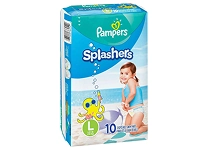
Disposable diapers are convenient for quick changes and travel, while cloth diapers can be washed and reused according to their care instructions. Cloth styles include prefolds with covers, fitted diapers, pocket diapers, and all-in-one designs; they differ in how absorbent inserts are placed and how many pieces are needed at changing time. Swim diapers are made for use in water and are not intended to replace an everyday absorbent diaper. Training pants offer a pull-on style for children practicing toilet skills, with absorbency that varies by product. Newborn diapers may include a cutout or shaped front to leave space around the umbilical area. Compare closure type, insert requirements, and intended use before choosing. On Ubuy, shoppers can explore international diaper styles alongside these key product differences.
- Disposable and reusable cloth formats
- Swim diapers for water activities
- Pull-on training pants for toilet learning
Understand Absorbency, Materials, and Diaper Features
Absorbency depends on the diaper's core, construction, and intended use. Disposable designs commonly combine cellulose pulp with superabsorbent polymer, while cloth systems use inserts or layers made from materials such as cotton, hemp, bamboo-derived fabric, or microfiber. Materials differ in feel, drying time, and care needs, so check product specifications rather than assuming every fabric performs alike. A soft inner lining, elastic leg cuffs, and a secure waist can support containment and comfort when the fit is appropriate. Some diapers include fragrance-free or lotion-free options, wetness indicators, or specific claims about sensitive skin; review labels and ingredient details if these matter to your household. Extra absorbency may suit longer intervals, but regular changes remain important. Consider how each feature fits the child's needs and your preferred changing routine.
- Compare core materials and absorbency
- Check cuffs, waist, and fastening design
- Review label details for sensitivities
Choose the Right Size, Fit, and Changing Accessories
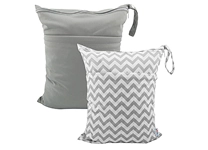
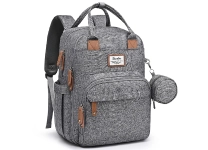
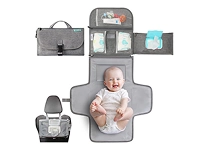
Diaper size is usually guided by a weight range, but a child's shape and movement also affect fit. A well-fitting diaper should sit comfortably at the waist, close around the legs without digging in, and fasten securely; repeated leaks or marks may signal that it is time to reassess the size or style. For cloth diapers, verify the compatible cover, insert, and closure system, since product components are not always interchangeable. Changing accessories can make routines easier: diaper pails, wet bags, changing pads, wipes, and portable changing kits help organize supplies at home or away. Keep clean diapers and used-diaper storage separate, and follow each item's care instructions. Ubuy can help shoppers discover international products across diaper styles and related changing essentials, making it useful to compare specifications before selecting a combination.
- Use weight guidance and assess fit
- Check compatibility of cloth components
- Consider pads, pails, and wet bags
Match Diapers to Sleep, Travel, and Daily Routines
Different situations can call for different diaper features. For daytime, caregivers may prioritize an easy-to-change fastening system and a comfortable fit that accommodates crawling or walking. Overnight styles often emphasize additional absorbency, while travel-friendly disposable options can reduce the need to carry used cloth diapers. Reusable diapers may suit families with a consistent washing routine and enough inserts or covers to rotate. For swimming, select a swim diaper designed for water use and pack a separate change of clothes and ordinary diaper for afterward. Store products in a clean, dry place, and follow care labels for cloth washing, drying, and stain treatment. Avoid relying on a single style for every activity: reviewing the expected wear time, access to changing facilities, and cleanup needs can help you prepare a practical diaper kit.
- Consider absorbency for wear duration
- Pack for changes and used-item storage
- Follow washing and care labels
Select the Right baby diapers
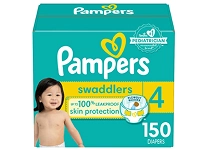
Start with the child's current weight and proportions, then compare size guidance, fastening style, absorbency, and intended use. Decide whether disposable convenience, reusable cloth construction, or a mix of both better suits your schedule. Check product materials and care directions, especially when choosing inserts, covers, or diapers for sensitive skin. For a new style, consider trying a small quantity before building a larger routine around it; fit and comfort can vary between designs. Widely recognized diaper brands include Pampers, Huggies, and Luvs, though features and product ranges differ, so compare the specific item rather than relying on a brand name alone. Ubuy provides a place to discover international baby diaper products and review available product details. A considered choice balances comfort, containment, care requirements, and the situations in which the diaper will be used.
- Compare fit, materials, and intended use
- Assess care needs and daily routines
- Review specific product details