Explore Essential Quilting Supplies
Quilting supplies support every stage of making a quilt, from choosing a pattern to binding the finished piece. Core items include quilting cotton, batting, backing fabric, thread, needles, cutting tools, rulers, pins, and sewing notions. Beginners may want a starter set with coordinated essentials, while experienced quilters often select tools individually to suit a particular technique or project size. Supplies also vary by method: patchwork calls for precise cutting and seam allowances, while appliqué may require fusible interfacing, specialty scissors, or hand-sewing needles. When browsing Ubuy, shoppers can discover international quilting products and compare types of supplies for their needs. Consider how often you quilt, the scale of your projects, and whether you prefer machine or hand stitching before building a collection.
- Essentials for piecing, quilting, and finishing
- Options for beginners and experienced makers
- Supplies for machine and hand techniques
Choose Quilt Fabric, Batting, and Backing
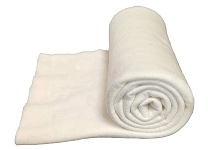
Fabric choice affects a quilt's appearance, handling, and finished feel. Quilting cotton is a popular option because its stable weave is easy to cut and piece; solids, prints, and precut formats such as charm packs, jelly rolls, and layer cakes can simplify color coordination. Check that fabrics have compatible weights and care requirements, especially when combining prints or materials from different sources. Batting sits between the quilt top and backing, adding warmth and loft. Cotton, polyester, wool, and blended batting each offer a different combination of drape, weight, and texture, so review product guidance for quilting distance and washing. Backing fabric should provide suitable coverage for the quilt top and allow room for assembly. A coordinated fabric, batting, and backing plan helps the layers work together.
- Compare woven cotton, prints, and precuts
- Choose batting by loft, fiber, and drape
- Plan backing coverage and care compatibility
Cutting, Measuring, and Marking Tools
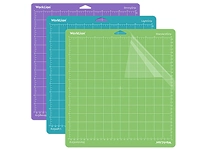
Accurate cutting and measuring help patchwork pieces align and reduce uneven seams. A self-healing cutting mat, rotary cutter, and quilting ruler form a practical setup for cutting strips, squares, and angled shapes. Olfa and Fiskars are recognized names in rotary cutting tools; compare blade diameter, grip, replacement blades, and safety features when selecting equipment. Rulers marked with clear grids, angles, and seam references can support repeatable measurements, while fabric scissors are useful for trimming and detail work. For marking, choose a suitable fabric pencil, chalk, or washable marker and test it on a fabric scrap before use. Keep blades sharp and store cutters safely; a dull blade can make clean cutting difficult. Match ruler size and mat dimensions to your workspace and the pieces you typically cut.
- Use a rotary cutter with a compatible mat
- Check ruler markings and measurement units
- Test fabric markers before marking a quilt
Sewing Machines, Needles, and Thread
A reliable stitching setup makes piecing and quilting more manageable. Many standard sewing machines can handle quilt blocks, while a larger throat space can provide more room to move a bulky quilt during machine quilting. Look for useful features such as adjustable stitch length, a quarter-inch foot, walking foot compatibility, and a free-motion quilting option if those techniques suit your projects. Brother and Singer are widely recognized sewing machine brands, but the best fit depends on your desired functions and workspace. Select a needle suited to the fabric and thread, and replace it when stitching becomes irregular or the needle is damaged. Cotton and polyester threads are common choices; Gutermann is a recognized thread brand. Check machine guidance for needle types, thread weights, bobbins, and compatible presser feet before purchasing accessories.
- Consider throat space and quilting feet
- Match needle and thread to the fabric
- Check accessory and machine compatibility
Notions, Finishing, and Quilt Care
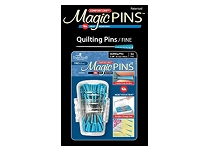
Small notions can improve accuracy and comfort during quilting. Straight pins, safety pins, clips, seam rippers, needle threaders, and thimbles help with assembly, basting, and hand finishing. Binding tools and bias tape makers can assist with preparing fabric strips to enclose quilt edges, while appliqué supplies support decorative shapes and layered designs. Pellon is a recognized name in interfacing and batting products; check individual product instructions to choose an appropriate material for your project. For storage and care, keep fabric clean and dry, protect sharp tools, and follow the care guidance for the quilt's fabric, batting, and thread. Ubuy offers a way to discover international quilting supplies, including notions and finishing tools, so compare product descriptions and dimensions before choosing. Organizing supplies by task can make future projects easier to plan.
- Stock pins, clips, and hand-sewing notions
- Use suitable materials for binding and appliqué
- Follow care instructions for fabric and batting
Select the Right quilting supplies
Build your quilting kit around the projects you actually plan to make. For a first patchwork quilt, prioritize stable quilting cotton, a cutting mat, rotary cutter, ruler, thread, pins, and a suitable machine needle; add batting and backing once you know the finished dimensions. For hand quilting, consider needles, thimbles, and thread designed for comfortable hand stitching. Compare measurements, material descriptions, care instructions, and included accessories rather than relying on product photos alone. If you use a sewing machine, verify that presser feet, bobbins, and needles match its model. Think about storage space, cutting surface, and whether reusable tools or project-specific supplies make more sense for your routine. A considered selection helps balance precision, convenience, and creative flexibility while keeping each purchase relevant to your technique and quilt design.
- Start with supplies matched to your technique
- Verify dimensions and machine compatibility
- Prioritize project needs and workspace